TL;DR:
Brownsville’s demanding terrain requires specialized fleet truck recovery equipment and off-road driving techniques to minimize damage, maximize efficiency, and ensure the safe extraction of stranded vehicles. This article explores effective strategies for navigating challenging landscapes, highlights the crucial role of appropriate recovery gear, and emphasizes safety protocols essential for successful operations in Brownsville.
Fleet Truck Recovery Equipment Brownsville: Navigating Challenges with Expertise
The Unique Off-Road Landscape of Brownsville
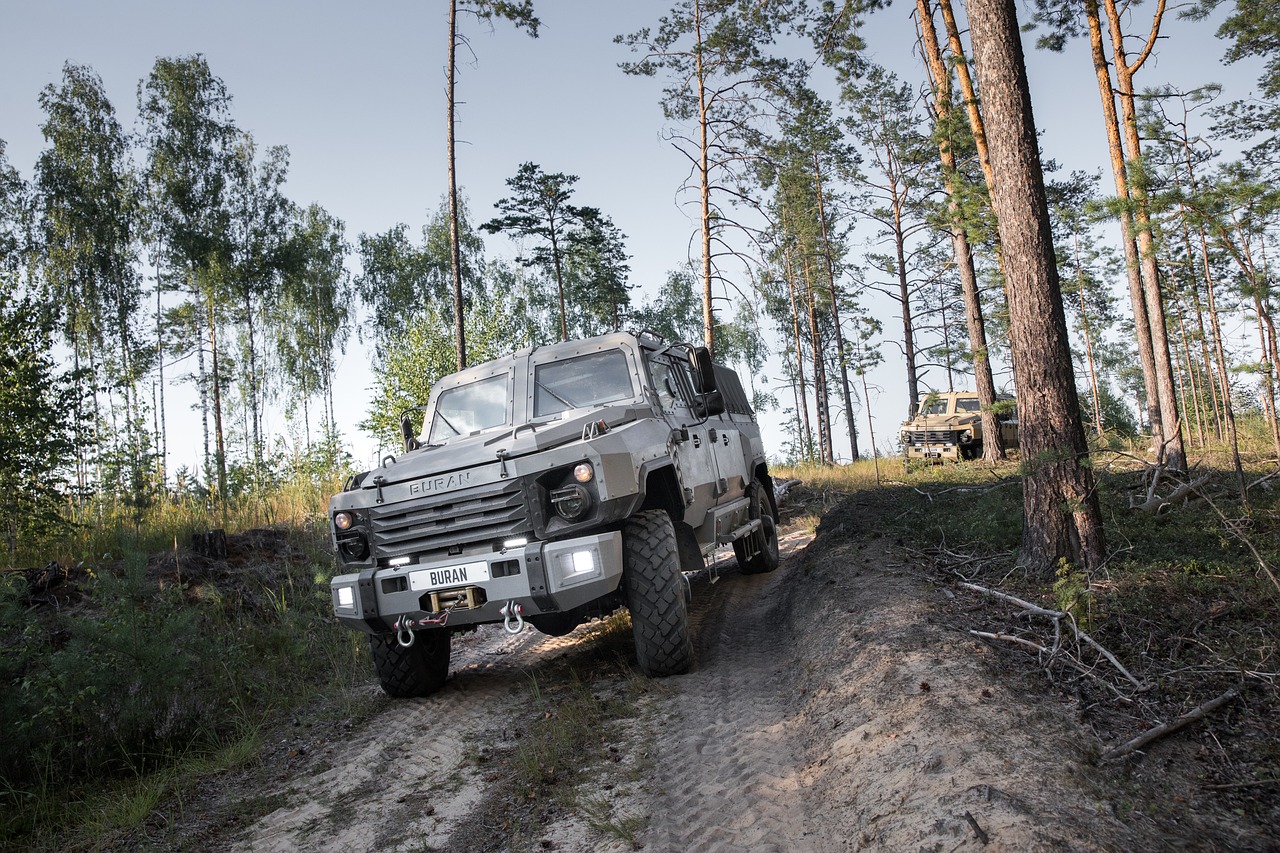
Brownsville, known for its rugged terrain and diverse environmental conditions, presents unique challenges for fleet truck recovery operations. From dense forests to treacherous mountain passes, off-road driving in this region demands exceptional skill, specialized equipment, and a thorough understanding of local conditions. This is where efficient and reliable fleet truck recovery equipment becomes invaluable.
Off-Road Driving Techniques: A Key Component
Successful fleet truck recovery in Brownsville hinges on mastering various off-road driving techniques. Here’s a breakdown of essential strategies:
3. Understanding Terrain:
Before attempting any recovery, conduct thorough research and analysis of the terrain. Familiarize yourself with slope angles, potential hazards (like hidden rockfalls or water crossings), and safe routes. Local knowledge from experienced drivers can be invaluable in this process.
2. Vehicle Preparation:
Ensure your fleet is equipped with vehicles designed for off-road performance. This includes features like:
- Enhanced Ground Clearance: Higher ride height allows for navigating over obstacles.
- Robust Axles and Suspension: Strengthened components are crucial for enduring rough terrain.
- 4WD or AWD Systems: All-wheel drive provides maximum traction on slippery surfaces.
- Tough Tires: Choose tires designed for off-road use with appropriate tread patterns for different terrains.
1. Slow and Steady Wins the Race:
Avoid high-speed maneuvers on unpredictable terrain. Drive at a controlled speed, allowing ample time to react to unexpected challenges. This reduces the risk of getting stranded or causing damage to your equipment or the recovered vehicle.
The Role of Specialized Recovery Equipment
Brownsville’s demanding conditions necessitate fleet truck recovery equipment that is robust, versatile, and tailored to diverse situations.
Winch Systems:
A powerful winch system is a cornerstone of off-road recovery. Choose winches with sufficient pull strength for your vehicle weights and expected load capacities. Consider hydraulic winches for smoother operation in difficult conditions.
Recovery Straps and Chains:
Invest in high-quality recovery straps and chains capable of bearing heavy loads without stretching or breaking. Use them to secure the disabled vehicle during transport, ensuring stability and preventing further damage.
Jacks and Slings:
Hydraulic jacks are essential for lifting vehicles safely. Choose jack stands that complement your vehicle’s frame for secure support during lifting operations. Slings provide added security when raising or moving heavy objects, protecting both the equipment and the vehicle.
Off-Road Recovery Tools:
Don’t underestimate the value of specialized tools like pry bars, crowbars, and wheel chocks. These essential items aid in dislodging vehicles stuck in tight spaces or assisting with stabilizing them during recovery.
Safety First: Best Practices for Fleet Truck Recovery
Prioritizing safety is paramount when conducting fleet truck recovery operations in Brownsville. Follow these crucial guidelines:
- Training: Ensure all operators are fully trained and certified in off-road recovery techniques and the safe handling of equipment.
- Communication: Maintain clear and constant communication among team members, especially during challenging recoveries.
- Emergency Preparedness: Carry essential safety gear, first aid kits, and emergency supplies at all times. Be prepared to handle potential accidents or medical emergencies.
- Weather Awareness: Monitor weather conditions closely before and during recovery operations. Avoid traveling in severe weather whenever possible.
- Environmental Considerations: Minimize environmental impact by adhering to local regulations regarding waste disposal and route selection.
Frequently Asked Questions
-
What types of vehicles are best suited for off-road recovery in Brownsville?
Light to medium-duty trucks with robust off-road packages (4WD, high clearance) are ideal. Avoid vehicles that lack proper traction or ground clearance.
-
How do I select the right winch for my fleet?
Consider factors like vehicle weight, required pull strength, and operating environment when choosing a winch. Consult with experienced dealers for expert advice.
-
What safety precautions should I take before attempting a recovery?
Conduct thorough pre-recovery planning, assess weather conditions, ensure operator training, and equip yourself with essential safety gear.
-
Are there any local regulations governing off-road driving in Brownsville?
Yes, always research and comply with local laws and regulations regarding off-road travel and vehicle recovery. Obtain necessary permits if required.
Conclusion
Navigating the demanding terrain of Brownsville requires a combination of skilled driving techniques, specialized fleet truck recovery equipment, and unwavering safety protocols. By understanding the unique challenges presented by this region’s landscape and investing in appropriate resources, fleet operations can minimize downtime, maximize efficiency, and ensure the safe extraction of stranded vehicles. This, in turn, contributes to a more reliable and cost-effective transportation network for all.